
Critical infrastructure
Critical infrastructure is the backbone of our society. From the energy that powers our homes to the transport networks and hospitals we rely on daily, these systems must remain resilient and ready for future challenges.
What is critical infrastructure?
Critical infrastructure refers to the essential physical and digital systems whose failure would significantly impact national security, public safety, or economic stability.
Protecting critical assets requires a proactive approach to risk assessment, ensuring that essential infrastructure is protected against cyber attacks, natural disasters, supply chain vulnerabilities and other emerging threats.

Types of critical infrastructure
There are several types of critical infrastructure, made up of broad national sectors like energy, transport and healthcare, all of which are interdependent and connected. Within each of these sectors are different critical environments, like hospitals, data centres and power plants. The critical infrastructure within these environments are the systems and technology that allow it to operate.
sector
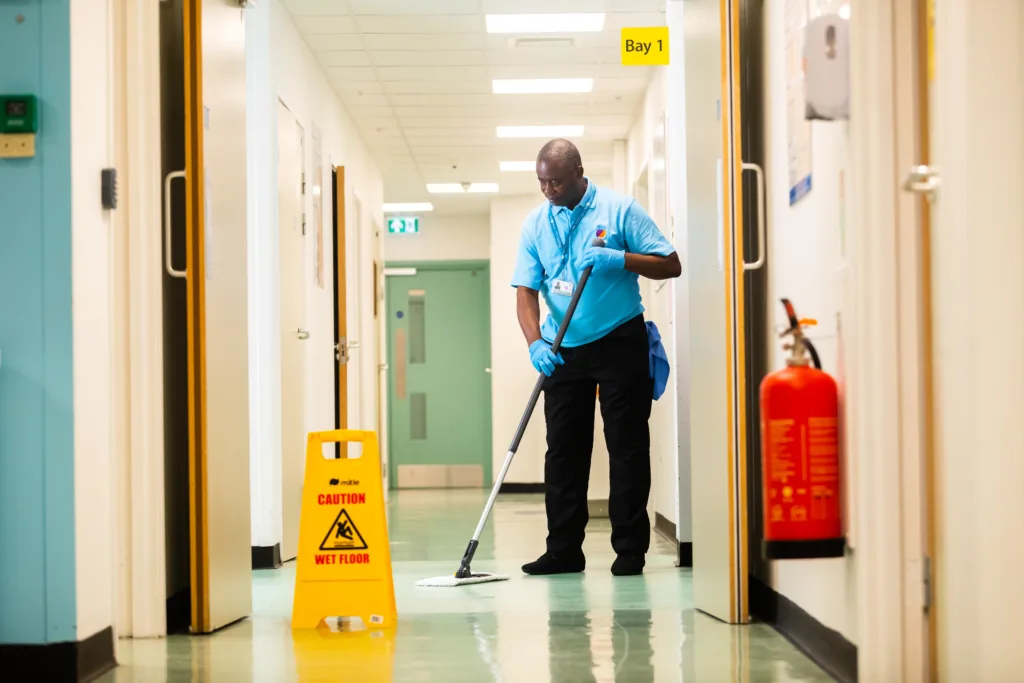
Healthcare
Hospitals, clinics, laboratories and medical supply chains rely on critical infrastructure including power grids, water and waste systems, information technology, ventilation systems, and medical gas pipelines.
sector
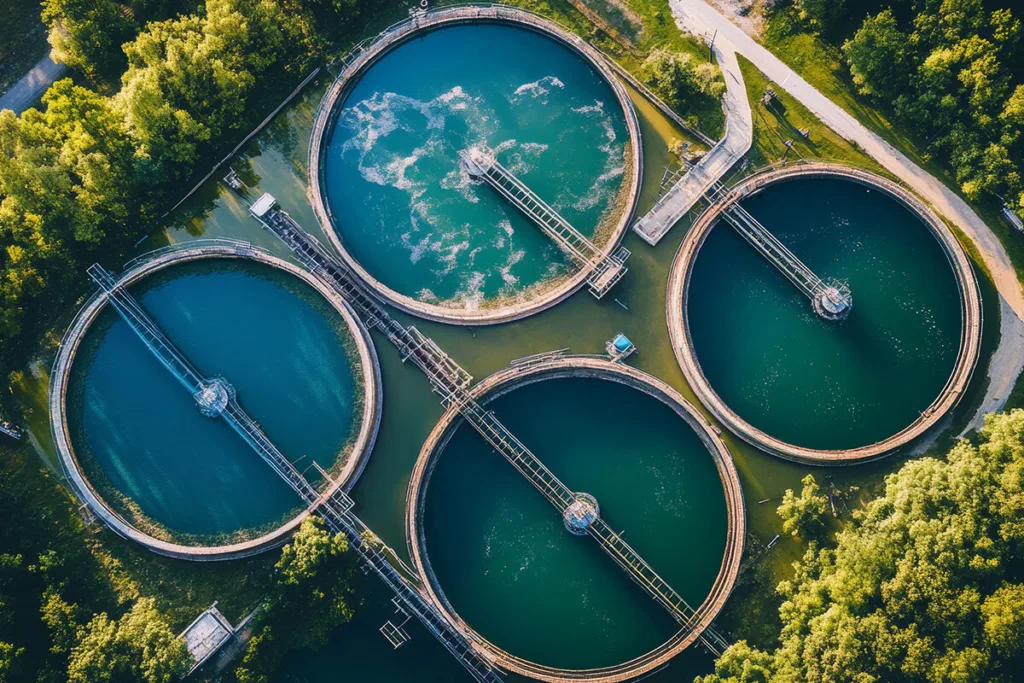
Energy, nuclear and utilities
Nuclear power stations, electrical substations, gas terminals, water treatment plants and waste networks are the foundation of all other infrastructure. Without a stable grid and water supply, other networks are rapidly destabilised.

sector
Financial services sector
Central banks, retail banking headquarters, and stock exchanges are the engines of the national economy. A disruption here can freeze domestic payments, halt international trade, and erode public trust in the financial system.

sector
Government
Central government agencies, estates, court systems, and strategic administrative hubs ensure the continuity of governance and public services. Operational integrity is required for national welfare, security, decision making and judicial processes.

sector
Transport
National and international transport infrastructure enable the rapid movement of goods, emergency services, and the public. Any outage can lead to national logistical paralysis and significant economic loss.
sector
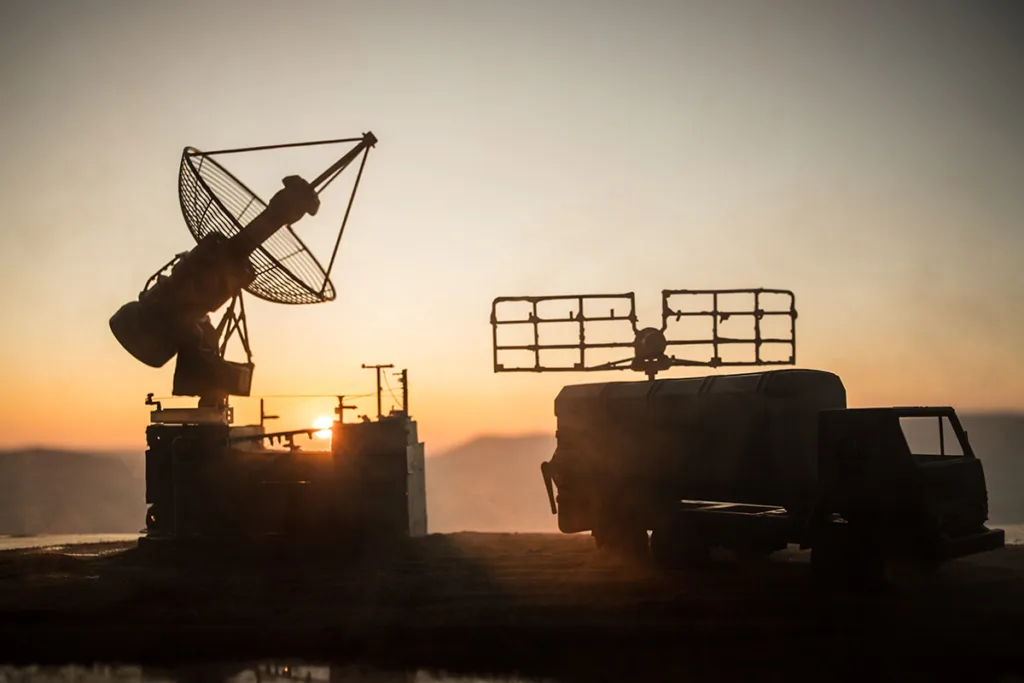
Defence
Military command bases, strategic communications hubs, and defence estates are essential for national security and sovereignty. Compromise or failure at these locations directly impacts the UK’s ability to respond to external threats.
sector
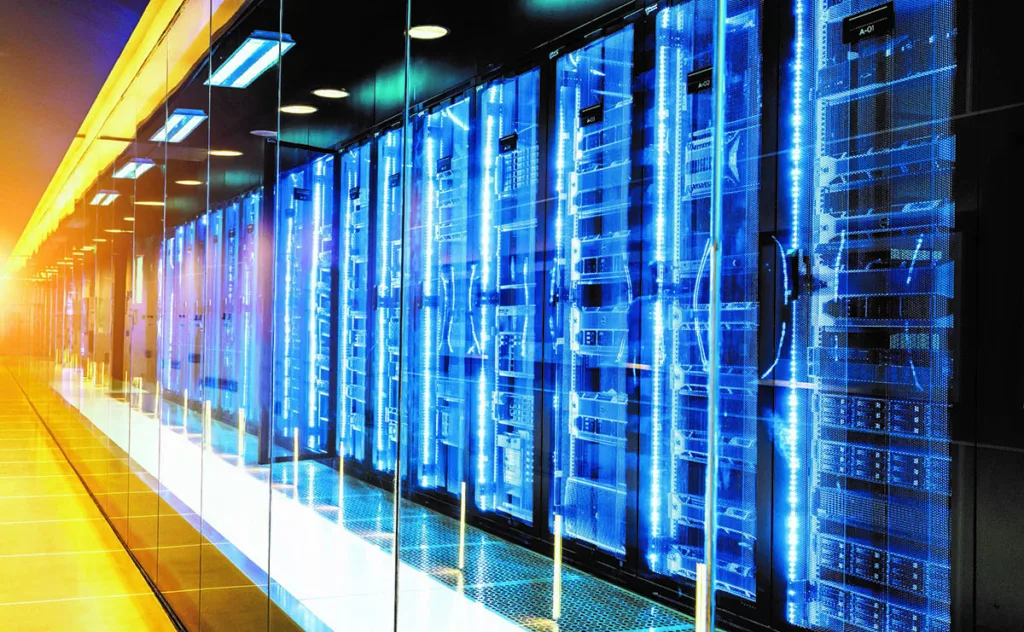
Data infrastructure
Server farms and cloud storage facilities house the data that underpins the NHS, financial markets, and government platforms. An IT blackout in this sector can trigger a systemic failure across multiple industries.
sector
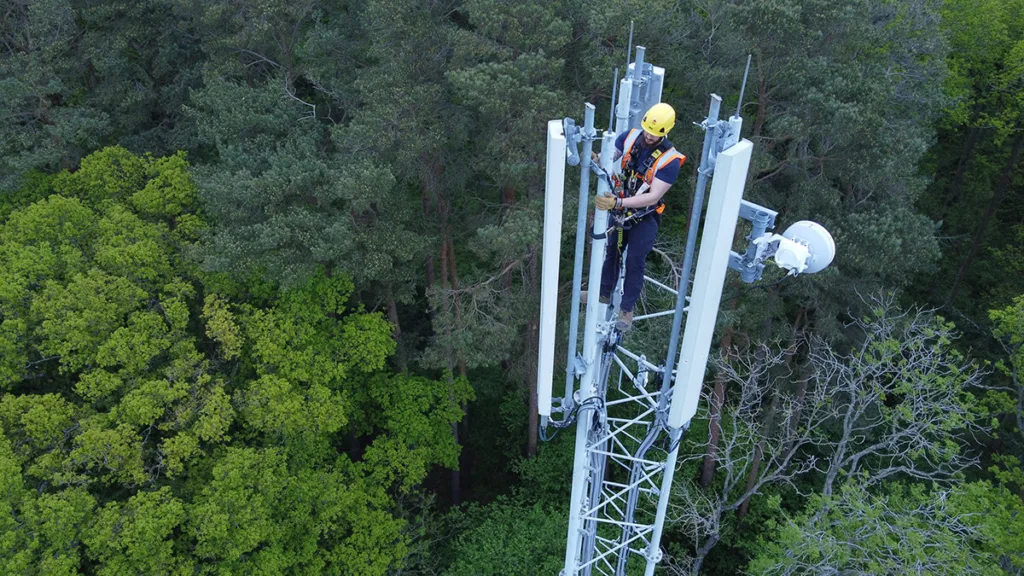
Telecommunications
Wireless, wired and satellite communications facilitate the 999 emergency services and the nation’s digital communications. Failure can result in total communication blackouts for both the public and emergency responders.
What are the key threats to critical national infrastructure?
National resilience is constantly challenged by diverse threats, necessitating continuous critical infrastructure protection. Ongoing risk assessment and proactive management are essential to mitigate these threats and ensure uninterrupted service delivery.
Cyber attacks
As infrastructure becomes more connected, the risk of cyber- attacks on operational technology increases. Cyber resilience requires protecting digital control systems from sophisticated state-sponsored or criminal interference.
Physical attacks
Physical security remains a cornerstone of infrastructure protection. Sites must be protected from unauthorised access, vandalism, and terrorism through threat intelligence-led patrols and advanced surveillance technology.
Climate risks
Extreme weather events, from flooding to heatwaves, pose a rising threat to physical assets. Infrastructure must be engineered to withstand environmental shifts and maintain service during natural disasters.
Health emergencies
Public health crises can suddenly strain logistics and staffing. Maintaining infrastructure during such periods requires rapid scaling of sanitisation services and robust contingency planning for workforce availability.
Supply chain issues
Global disruptions can delay the arrival of critical supplies. Resilience depends on diverse, well-managed supply chains, ensuring essential functions can continue even during periods of international instability.
Maintenance issues
Ageing estates are prone to system failures. Without predictive monitoring, minor component issues can escalate into catastrophic outages, resulting in high repair costs and loss of essential public services.
Inadequate workforces
A shortage of vetted, highly skilled labour is a growing vulnerability. Ensuring infrastructure is supported by a workforce that is both technically capable and security-cleared is vital for long-term stability.
What services are needed to maintain critical infrastructure?
Facilities management for critical infrastructure requires an integrated approach that joins up real-time monitoring, rigorous security, predictive and preventative maintenance, and strict regulatory compliance. Mitie provides integrated facilities management services for critical infrastructure. Our intelligence-led security, engineering excellence, and rapid response services help protect critical infrastructure against evolving threats. This ensures the nation stays connected, safe and operational.
service
Facilities maintenance & management
We deliver hard and soft services to keep critical environments running smoothly, including predictive, preventative and corrective maintenance. Our teams manage asset inventories and lifecycle planning to ensure infrastructure remains efficient and compliant.

service
Facilities transformation
We help modernise your estate. By integrating technology and sustainable practices, we transform legacy infrastructure into resilient, future-ready places that perform at scale.
service
Intelligence services
Our specialists continuously monitor network infrastructure and threat landscapes. We use data-driven insights to identify vulnerabilities before they can be exploited.
service
Engineering maintenance
Our technical experts ensure your mechanical and electrical systems remain in service. We provide the high-level engineering required to minimise downtime in mission-critical environments and complex plant machinery.
service
Fire & security systems
Our services provide comprehensive protection for people, places and assets. We install, and monitor advanced fire safety and security systems designed to meet the standards required for high-risk national infrastructure.
service
Power resilience services
Resilient power infrastructure is essential to ensuring national systems stay operational. We provide the proactive maintenance, compliance, and on-site generation solutions required to reduce grid dependence and mitigate risk across the UK’s most critical infrastructure.
service
Emergency response services
When the unexpected happens, we’re ready. Our rapid-response teams provide 24/7 support to mitigate damage and restore essential services following an incident.
service
Cleaning services
In settings like data centres and laboratories, cleaning becomes a critical service. We provide specialist decontamination that meets the highest standards of safety and infection control.
Critical infrastructure FAQs
Helpful information about Mitie’s solutions, support, and how we can help your organisation.
Critical infrastructure refers to the broad, national systems the UK relies on, such as the energy grid or transport networks. Critical environments are the high-stakes, precision-controlled spaces within those systems, such as a nuclear control room, an air traffic control centre or a hospital operating theatre.
Mitie provides expertise across both large-scale national infrastructure and the mission-critical environments that these depend on.
Discover our facilities management services for critical environments.
Critical infrastructure protection (CIP) is the proactive strategy used to secure essential assets against natural disasters, technical failure, and evolving threats. Effective protection relies on robust critical infrastructure security, incorporating physical hardening and cyber resilience alongside 24/7 monitoring of systems to detect vulnerabilities.
In practice, mission-critical facilities management (FM) refers to a zero-failure approach to maintaining assets essential to national stability. For UK operators, this means integrating 24/7 real-time monitoring with predictive maintenance to prevent downtime.
Mitie applies this rigorous standard to critical environments like hospitals and data centres, where service continuity is directly linked to public safety and economic security.
Mitie provides integrated facilities services for a range of sectors that rely on critical infrastructure, including government, finance, healthcare, telecommunications and utilities.
Our facilities management services include security, intelligence, engineering and maintenance, alongside energy and net zero services.
Interested in critical infrastructure services from Mitie?
If you want to talk to one of our experts about your critical infrastructure maintenance needs, we’re just a couple of clicks away. Fill out the form, and a member of the team will get back to you.