
What are critical environments?
Critical environments are specialised settings that need to operate continuously in a highly controlled manner, often with zero tolerance for downtime. Examples include data centres, hospitals, laboratories, transport hubs, financial services, utilities and public sector estates.
If your organisation manages an environment where failure could mean service outage, financial loss or safety risk, we provide integrated facilities management to help you build resilience into every part of your estate.
Examples of critical environments
Critical environments are places where the margin for error is minimal and business continuity is essential.
Examples of these places include:
- Data infrastructure: Data centre and server rooms
- Healthcare and research: Pharmaceutical cleanrooms, research laboratories, operating rooms and intensive care units
- National utilities: Power plants, water treatment facilities, communications networks, and transport signalling hubs
- Financial and industrial: Secure banking vaults, specialised electronic manufacturing and real-time trading floors
- Government and military: Defence facilities and secure monitoring locations

What are critical business operations?
Critical business operations are the essential functions an organisation can’t afford to lose, even temporarily, without significant consequences. These typically include IT and data infrastructure, regulatory and compliance functions, supply chain logistics, and any process directly tied to safety or service continuity.
What counts as critical varies by sector. For a hospital, it might be life-support systems and medication storage, for a bank it might be trading platforms and branch security, and for a data centre it might be uninterrupted power and cooling.
Production continuity and environmental control
In sectors like life sciences, critical processes rely on maintaining precise atmospheric conditions like exact temperature, humidity, and air pressure levels. For example, within pharmaceutical cleanrooms, even minor fluctuations can trigger batch spoilage or microbial contamination.
Real-time data flow and network integrity
In many critical environments, data networks require constant uptime, because lags or server failures can rapidly lead to significant financial loss and ripple effects on wider infrastructure. For example, data centres and banking clearinghouses rely on this connectivity to support business critical global transactions.
System monitoring and infrastructure safety
Automated control systems act as the primary defence against systemic collapse by overseeing high-stakes assets. Critical business functions like fire suppression or surveillance must remain live at all times to ensure safety and operational resilience. This is essential for critical environments like substations or control centres, for example, where technical failures rapidly impact the energy grid.
What services do critical environments require?

service
Critical facilities management
Maintaining critical infrastructure requires a comprehensive range of hard and soft services to ensure sites stay operational, compliant, and protected against threats. This involves bolstering the technical integrity of the facility while maintaining the hygienic standards and security protocols necessary for business processes to operate continuously and safely.
service
Data centre services
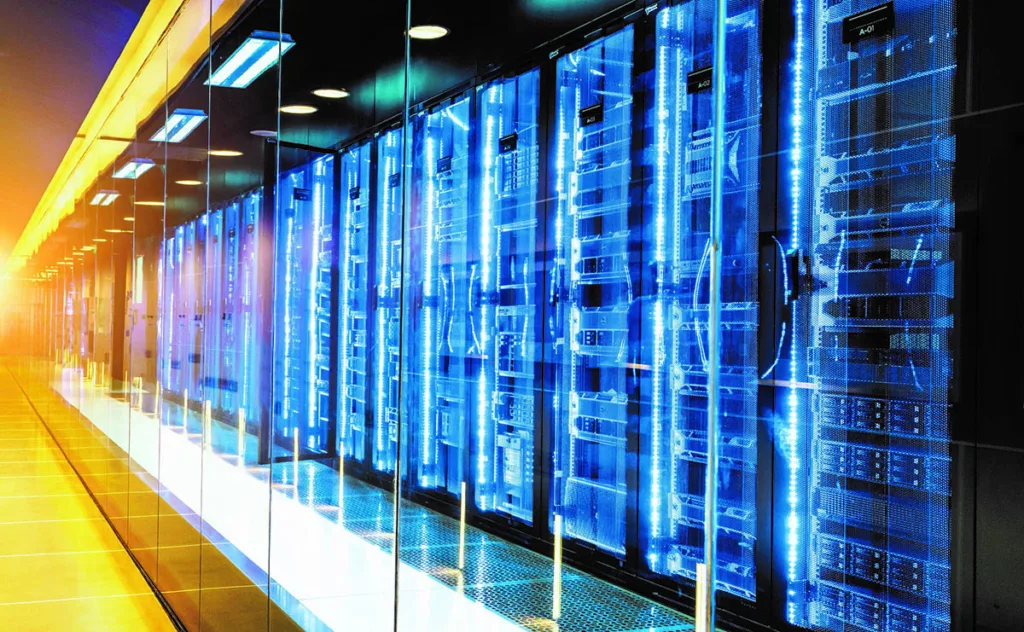
Data centre operations depend on predictive and preventative maintenance and constant remote monitoring. This is necessary to maintain the precise atmospheric controls required by critical systems. Comprehensive physical and digital security safeguard against breaches, while specialist water solutions and specialist cleaning protect hardware from contamination and cooling failures.
service
Fire & security
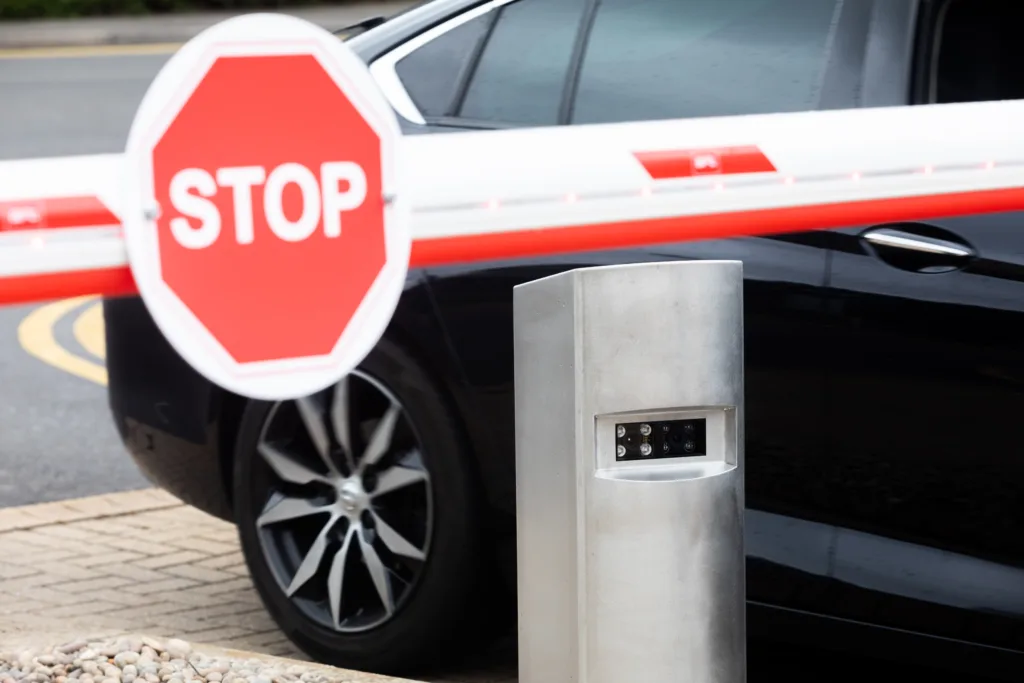
High-stakes environments require integrated control systems to safeguard personnel and business-critical assets. Advanced surveillance, fire suppression systems and rapid-response protocols help organisations mitigate risk. Together, they build operational resilience against physical and environmental threats.

service
Power and grid services
Resilient high-voltage infrastructure is essential to avoid disruption and ensure that critical infrastructure remains live. Proactive maintenance and ongoing compliance facilitate the early detection of emerging issues, reducing risk management concerns. Additionally, implementing on-site generation can secure business continuity by reducing dependence on the grid and exposure to price volatility.

service
Critical environment cleaning
Maintaining environments such as pathology labs and cleanrooms requires specialised decontamination above and beyond standard hygiene protocols. Precision cleaning must eliminate particulates that risk system failure in sensitive electronics – without introducing secondary contaminants through cleaning solutions or personnel.
FAQs about critical environments
Helpful information about Mitie’s solutions, support, and how we can help your organisation.
Critical environments, such as data centres, hospitals, and energy grids, are stabilised by a combination of specialised systems. These can include Environmental Control (HVAC), Continuous Power Systems, Automated Monitoring, and Industrial Control (OT) systems. These work together to maintain hardware uptime, physical safety, and steady operations.
To ensure these mission-critical systems never lose power, facilities rely on Uninterruptible Power Supplies (UPS) and Automatic Transfer Switches (ATS) that flip to backup generators in milliseconds. This redundant architecture allows a critical environment to operate continuously, even during equipment failure or grid outages.
Discover power resilience services and UPS solutions for critical environments.
Think of monitoring technology as the “nervous system” of a facility. It constantly scans for “invisible” threats such as minute power surges, humidity shifts, or gas leaks that could disrupt critical business operations. By analysing data in real time, these systems can predict a potential failure before it happens. This proactive approach is the core of operational resilience, allowing teams to intervene early and maintain business continuity without the need for a full-scale disaster recovery response.
Reliability is measured through global standards like ISO 14644 (for cleanrooms) or Uptime Institute Tiers (for data centres). These frameworks dictate the level of redundancy, often called N+1 or 2N, which ensures there is always a “spare” system live and ready to take the load.
For any organisation running mission-critical systems, these certifications provide a verified guarantee of business continuity. They prove the facility has the physical and technical “safety nets” required to support the most sensitive business processes without interruption.

Interested in critical environment services from Mitie?
If you want to talk to one of our experts about your critical environment maintenance needs, we’re just a couple of clicks away. Fill out the form, and a member of the team will get right back to you.