
What is facilities maintenance?
Facilities maintenance is a subset of facility management, covering the maintenance of a facility and making sure both its structure and systems are safe and functional. It incorporates both ongoing and reactive maintenance, alongside the strategic management.
Keep a facility running smoothly, in a safe and optimal condition
Most aspects of a facility need maintenance in some form. Examples of the common components of facilities maintenance include:
- Infrastructure: general upkeep and repair to your building’s infrastructure, including roofing, guttering, windows, outdoor walkways and ongoing checks to safeguard compliance with relevant regulations.
- Cleanliness & hygiene: regular cleaning and other upkeep, including sanitisation, pest control and waste disposal.
- Furniture: cleaning of soft furnishings, repair and refurbishment, plus regular inspection to make sure furniture meets health and safety regulations.
- Equipment and Assets: facility-specific equipment must be monitored, maintained and kept in a safe working condition. This includes everything from standard office equipment to larger industrial assets.
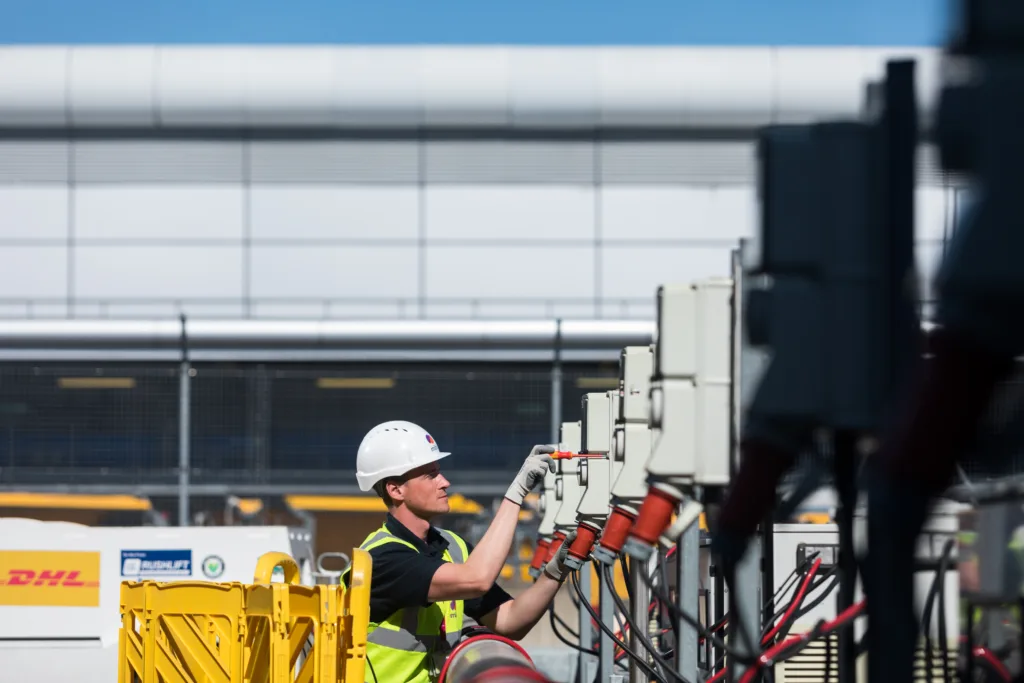
- Electrical Systems: ensuring electrical systems are safe, compliant, and fully functional. This may include testing, repairs, replacements, or upgrades to systems.
- Plumbing Systems: monitoring and maintenance of plumbing components such as pipes and fixtures, alongside maintaining water hygiene and ongoing risk assessment.
- HVAC Systems: ongoing repairs and planned upgrades to heating, ventilation and air conditioning.
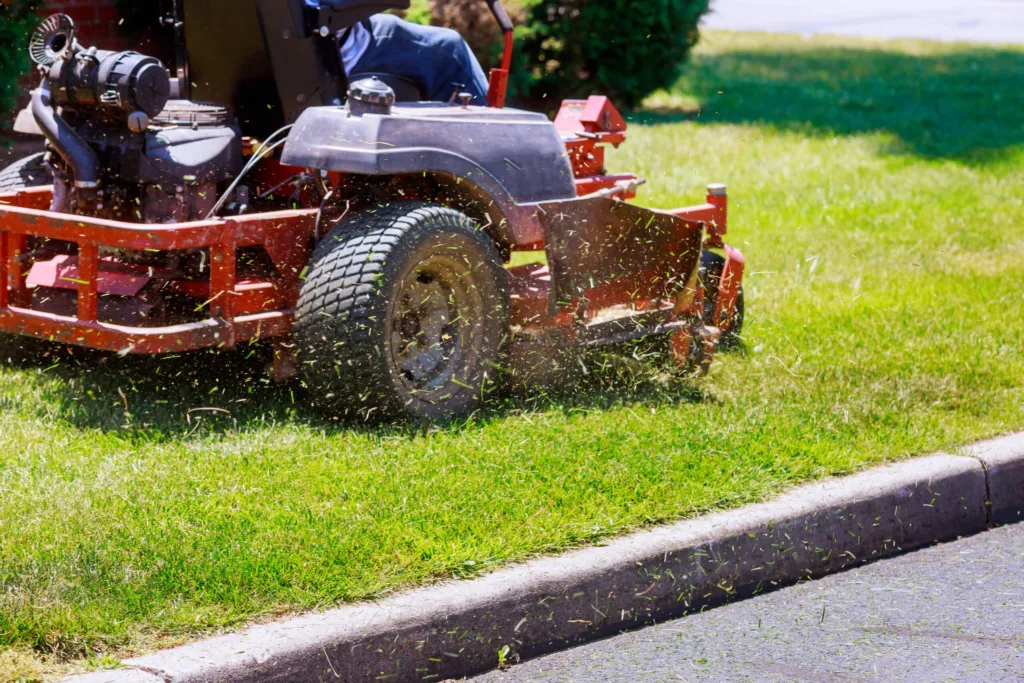
- Landscaping: maintenance of your facilities’ grounds and outdoor spaces, including mowing, weeding and winter gritting, alongside the upkeep of indoor plants.
What services fall under facilities maintenance?

Commercial cleaning and hygiene
Cleaning and hygiene solutions help an organisation to keep their employees safe and run more efficiently, from daily office cleans to immediate biohazard removal.
Engineering maintenance
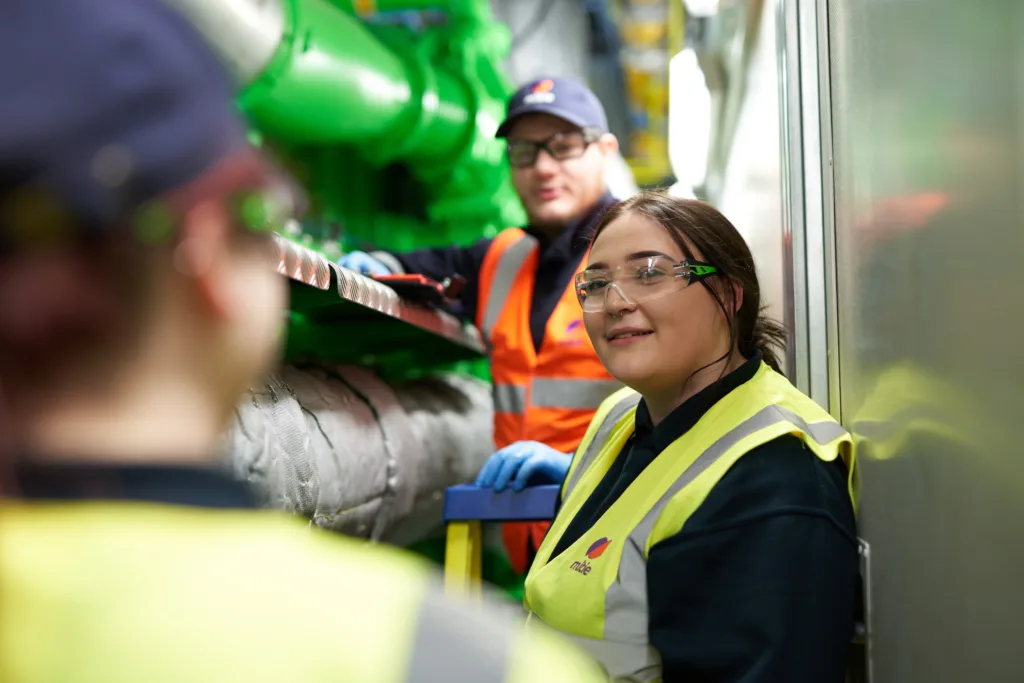
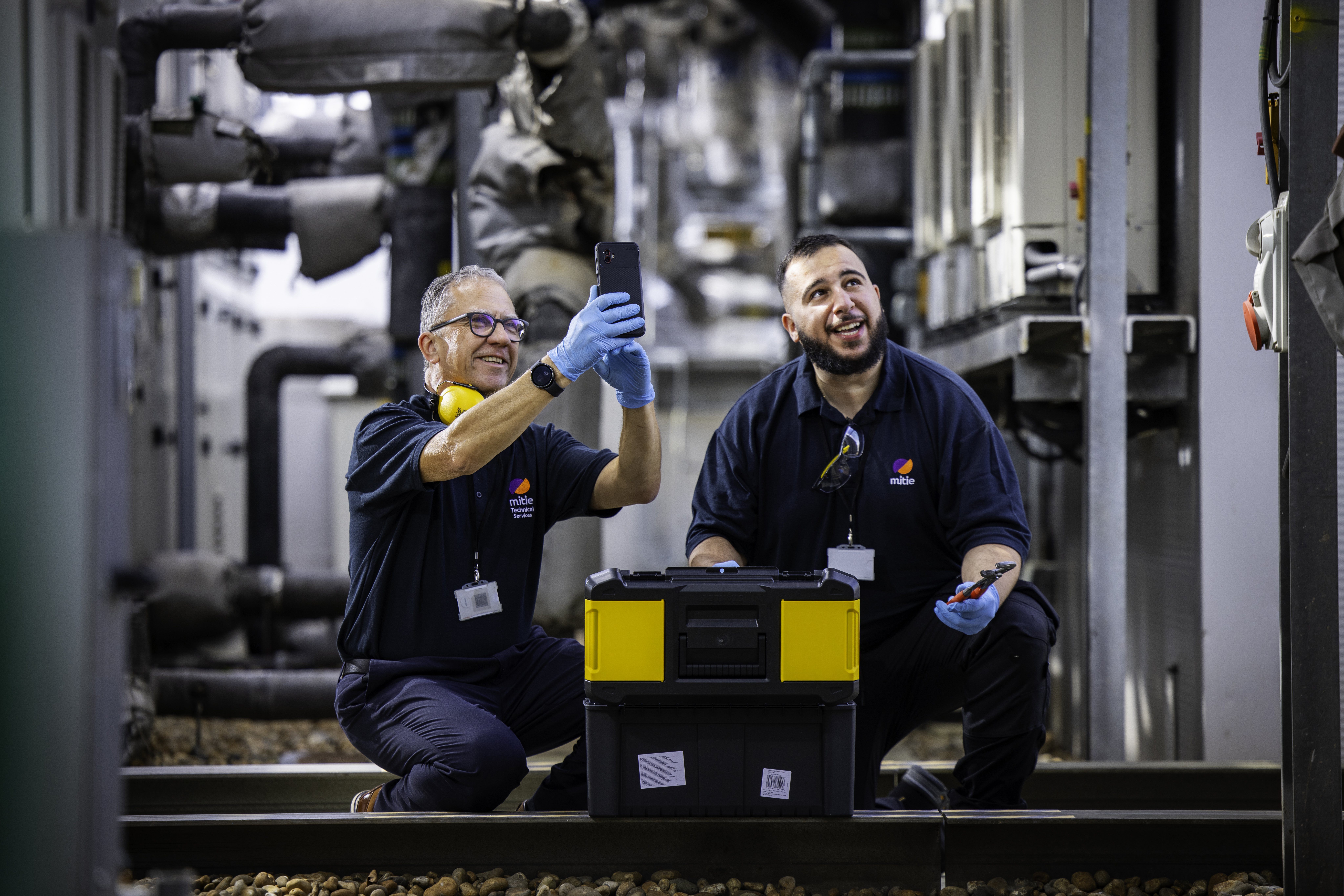
Make sure your building infrastructure and systems stay up and running – proactive or reactive maintenance is vital to maintaining uptime and guaranteeing comfort, safety and productivity.

Guest services
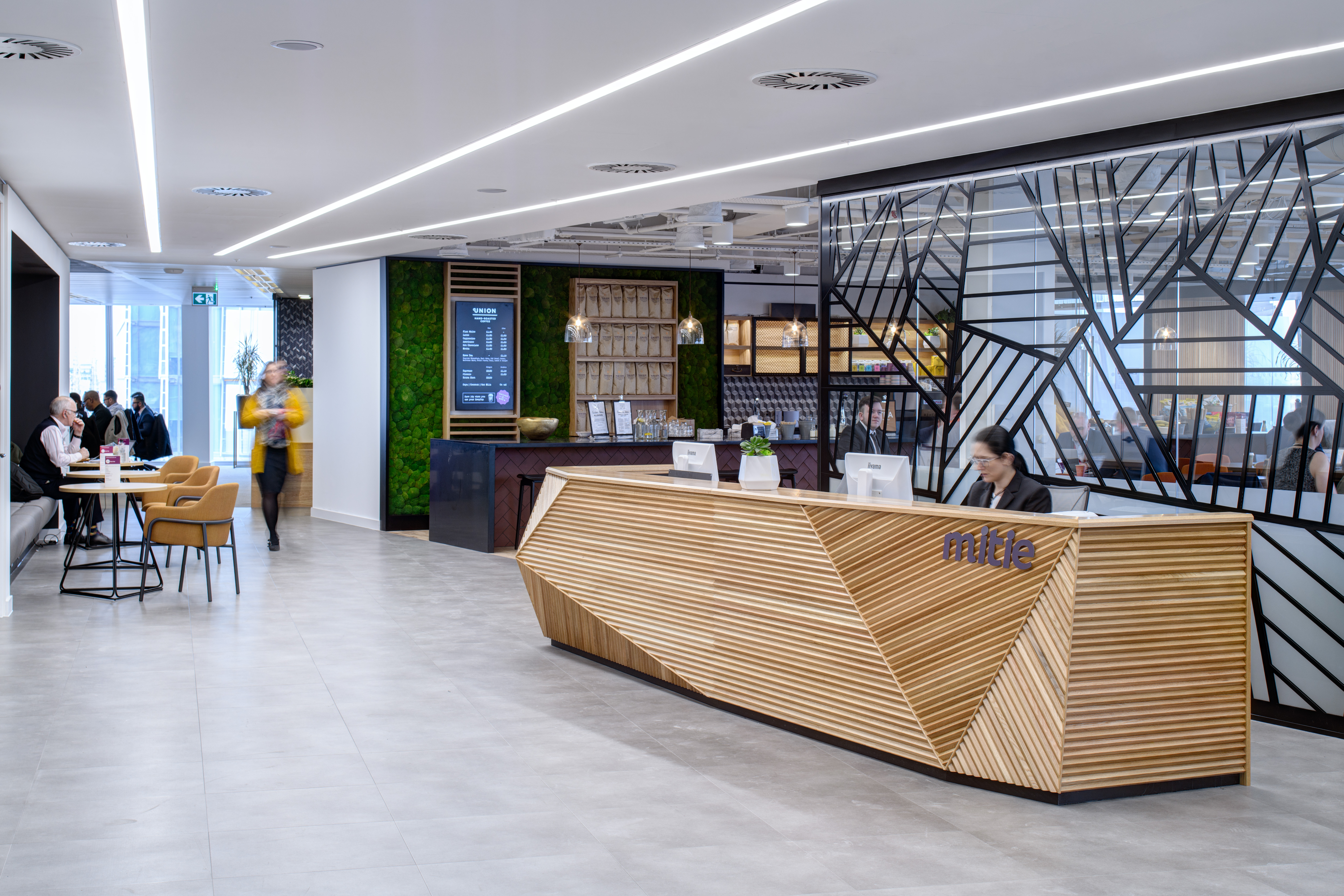
A welcoming and professional first point of contact for visitors and colleagues alike. Delivery includes visitor management, wayfinding assistance and handling enquiries. Guest services enhance brand perception, improve visitor experience and support smooth day-to-day operations. They keep organisations and their spaces running seamlessly.
Integrated facilities management
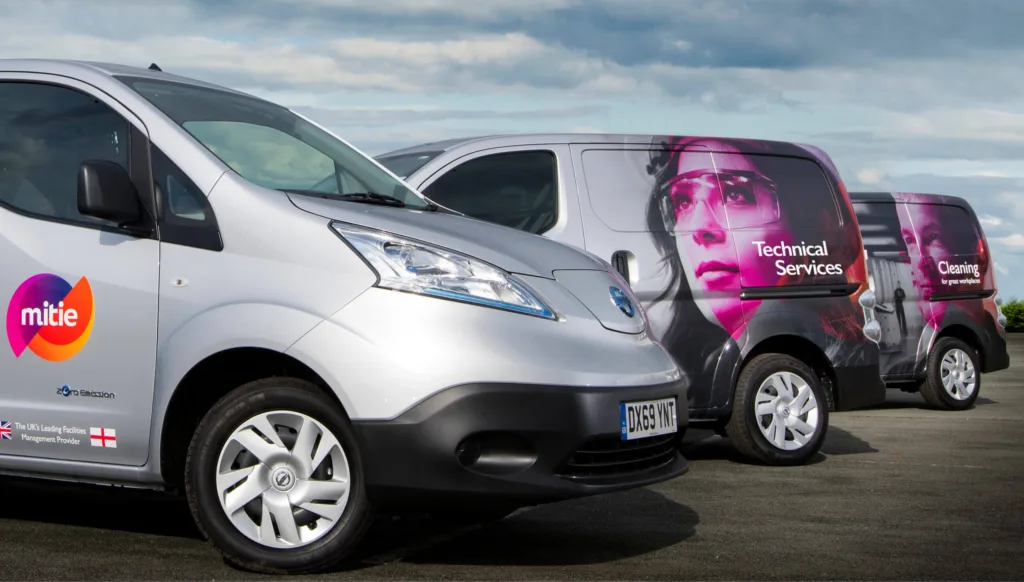
IFM gives a one-stop-shop for everything you need, from facilities management and security to decarbonisation – all under one contract.
Landscaping
Design, maintenance and enhancement of outdoor and indoor green spaces all form part of landscaping services. This includes grounds maintenance, seasonal planting and decorative features. Well-maintained landscapes improve aesthetic appeal, support biodiversity and contribute to a pleasant and welcoming atmosphere.
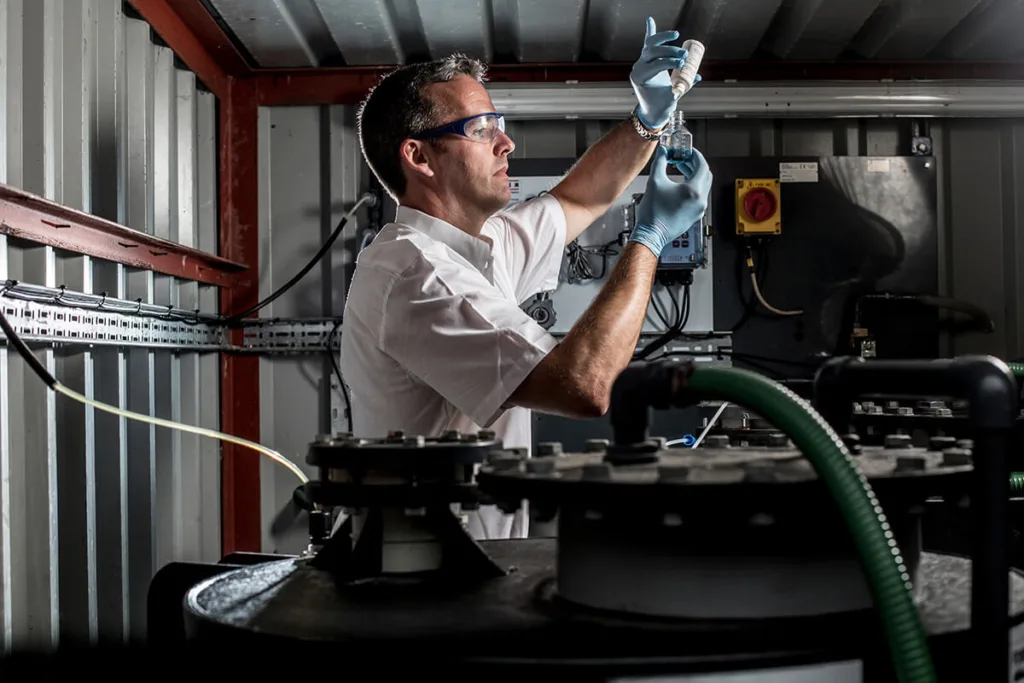
Water services
Make sure your organisation manages water in the most compliant, efficient and sustainable way. Optimise and reduce water usage.

Waste management
Collection, segregation, recycling and disposal of waste generated across a site. Effective waste management supports environmental sustainability, safeguards compliance and contributes to cleaner, safer and more efficient workplaces. Waste management is also critical for achieving waste reduction targets in line with sustainability commitments.
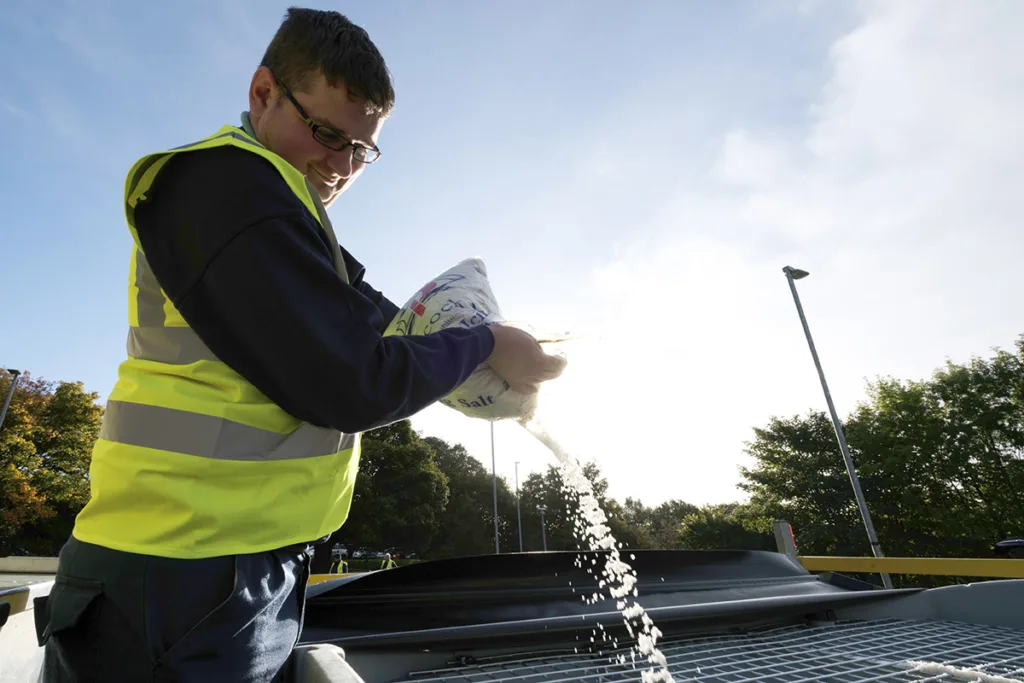
Winter gritting
Keep your site moving when everything else freezes. Winter gritting services will make sure your site stays accessible during snow and ice.
Why is it important to have regular facility maintenance?
Facilities maintenance is essential for keeping your estate compliant and functional, as well as comfortable and safe for your employees. Regular facility maintenance has many benefits.
- Helps to avoid more urgent repairs or emergencies: Having regular or predictive maintenance reduces the risk of larger or more urgent fixes or malfunctions. These can cause considerable disruption to your organisation’s activities.
- Enhanced safety of your buildings and employees: Reducing the risk of urgent fixes or emergencies also benefits the safety of your employees. And besides ensuring their well-being, you’ll keep your building compliant with health and safety legislation.
- Cost savings due to greater efficiency/ lack of emergency repairs: Unexpected or large-scale emergency repairs are often very resource-intensive and have a high associated cost (both in terms of the fix itself and the impact on your organisation’s activities).
- Minimised downtime and disruption: Having assets break or operate with reduced functionality can greatly impact performance. Downtime can mean large costs and reduced efficiency for your organisation.
- Better asset lifespan: Regular or predictive maintenance, fixing issues before they turn into larger malfunctions, helps to prolong the lifespan of your important assets. This saves money in the long run.
- Legal compliance: Compliance with health and safety legislation relies on buildings and equipment being safely maintained. Malfunctions or issues with either risks a breach of compliance.
Frequently Asked Questions
Helpful information about Mitie’s facility maintenance.
There are several different approaches to facilities maintenance.
Preventative
This relies on regular and scheduled maintenance to prevent failure, aiming to mitigate issues before they occur.
Pros: Reduced asset downtime and disruption as breakdowns are avoided, extension of asset lifespans.
Cons: Costs of regular inspections and fixes.
Corrective/reactive
This relies on unscheduled repairs after a component has failed.
Pros: No ongoing maintenance or inspection costs, which may be better suited for those with larger estates or limited resources.
Cons: Asset downtime and disruption to your organisation’s activities. Larger fixes due to breakdown or failure are likely to be more costly.
Predictive
This relies on the ongoing collection of data with specialist sensors, software and AI to predict when assets/ equipment will fail. Maintenance is scheduled based on this forecast.
Pros: Reduced costs of regular inspections and maintenance, reduced asset downtime, better reliability of assets, and a reduced timeframe from detection to fixing the fault.
Cons: Costs involved with implementing and maintaining the system.
Each model may be better suited to different aspects of facilities maintenance. For example, a corrective approach may apply to plumbing systems, a preventative approach to infrastructure, and a predictive approach to important industrial assets. Different buildings will have different needs; Mitie can help you to decide which model is the most effective and efficient for your facility.
Facilities maintenance is essential for keeping your estate compliant and functional, as well as comfortable and safe for your employees. Regular facility maintenance has many benefits.
Helps to avoid more urgent repairs or emergencies
Having regular or predictive maintenance reduces the risk of larger or more urgent fixes or malfunctions. These can cause considerable disruption to your organisation’s activities.
Enhanced safety of your buildings and employees
Reducing the risk of urgent fixes or emergencies also benefits the safety of your employees. And besides ensuring their well-being, you’ll keep your building compliant with health and safety legislation.
Cost savings due to greater efficiency/ lack of emergency repairs
Unexpected or large-scale emergency repairs are often very resource-intensive and have a high associated cost (both in terms of the fix itself and the impact on your organisation’s activities).
Minimised downtime and disruption
Having assets break or operate with reduced functionality can greatly impact performance. Downtime can mean large costs and reduced efficiency for your organisation.
Better asset lifespan
Regular or predictive maintenance, fixing issues before they turn into larger malfunctions, helps to prolong the lifespan of your important assets. This saves money in the long run.
Legal compliance
Compliance with health and safety legislation relies on buildings and equipment being safely maintained. Malfunctions or issues with either risks a breach of compliance.
Facilities maintenance and facilities management are closely related but differ in their scope and focus. Facilities maintenance is a subset of facilities management, concentrating on the upkeep, repair, and servicing of a building’s physical assets. This includes both preventative maintenance – such as regular inspections, cleaning, and equipment servicing – and reactive maintenance, which involves addressing unexpected issues like breakdowns or malfunctions. In contrast, facilities management takes a broader, more strategic approach. FM not only includes maintenance but also involves the planning, coordination, and optimisation of a facility’s operations. This might cover areas like budgeting, energy efficiency, health and safety compliance, and third-party coordination. These activities make sure the facility runs smoothly and efficiently.
If you own or operate any organisation with physical premises, facilities maintenance is essential to be sure your buildings and systems remain safe, efficient and functional. Regular maintenance helps prevent costly breakdowns, extends the lifespan of equipment and supports compliance with health and safety regulations. Without consistent maintenance, small issues can quickly escalate into expensive repairs or operational disruption. Facilities maintenance is particularly important for larger or high-demand environments such as hospitals, universities, manufacturing plants, and public sector buildings like prisons or immigration centres. In these locations consistent performance and safety are critical.
Facilities maintenance can either be conducted by your own colleagues or, more commonly, maintenance contracts can be outsourced to specialist providers such as Mitie. Our facilities maintenance services are usually offered as part of our wider integrated facilities management offering, often alongside broader management services. We are also happy to discuss pure maintenance services for your facility. Get in touch to see how we can help.
Interested in facilities maintenance from Mitie?
If you want to talk to one of our experts about your organisation’s facility maintenance needs, we’re just a couple of clicks away. Fill out the form, and a member of the team will get right back to you.